Blog
News about our packaging films & packaging machines

PPWR-compliant films
The new EU Packaging Regulation has been in effect since August 12, 2026. Are your films compliant?
News
Welcome to the Schlichter GmbH blog—your expert in innovative packaging solutions! Here you’ll find not only informative posts about packaging machines, but also engaging articles on sustainable packaging films and the latest industry trends.
Discover how our products and solutions can boost your efficiency while also contributing to sustainability. We also provide insights into our product range, including polyolefin film, BOPP film, PCR film, and PIR film, as well as sustainable packaging solutions.
Most recent:
Film Thickness and Density – Important Properties of Packaging Films
May 5, 2026
Film Thickness: The film thickness of packaging films refers to the thickness of the film, which is typically measured in micrometers (µm or mµ). Film thickness is an important parameter for packaging films. The thickness of a film has various effects on the packaging process and directly influences the mechanical properties of the packaging, including its strength, tear resistance, puncture resistance, and
Barrier film – Protection against moisture and oxygen
May 5, 2026
Barrier film is a special type of packaging film designed to prevent certain substances—such as oxygen, water vapor, light, aromas, or other gases—from entering or escaping the package. Barrier film is frequently used in the food and electronics industries to improve the shelf life and quality of packaged products. But it is also used for other sensitive products such as
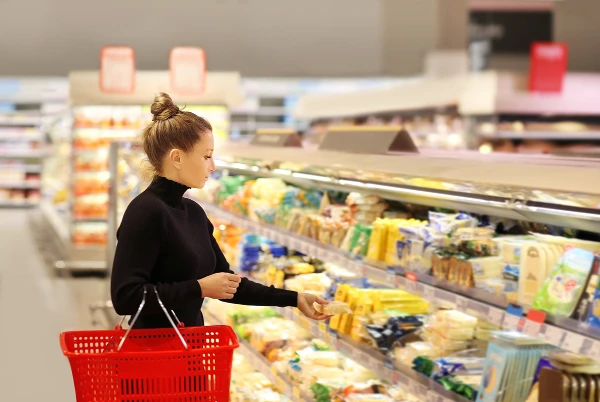
IK Study on Paper Composites—More Waste, Less Recycling
May 5, 2026
Findings from the IK Study on Paper-Plastic Composites: More Waste, Less Recycling A study by the Society for Packaging Market Research (GVM), commissioned by the IK (Industry Association for Plastic Packaging), has published key findings on the topic of “packaging made from paper-plastic composites.” The study examined the environmental impact of packaging made from a mix of plastic and paper. This type of packaging is often considered particularly environmentally friendly due to the
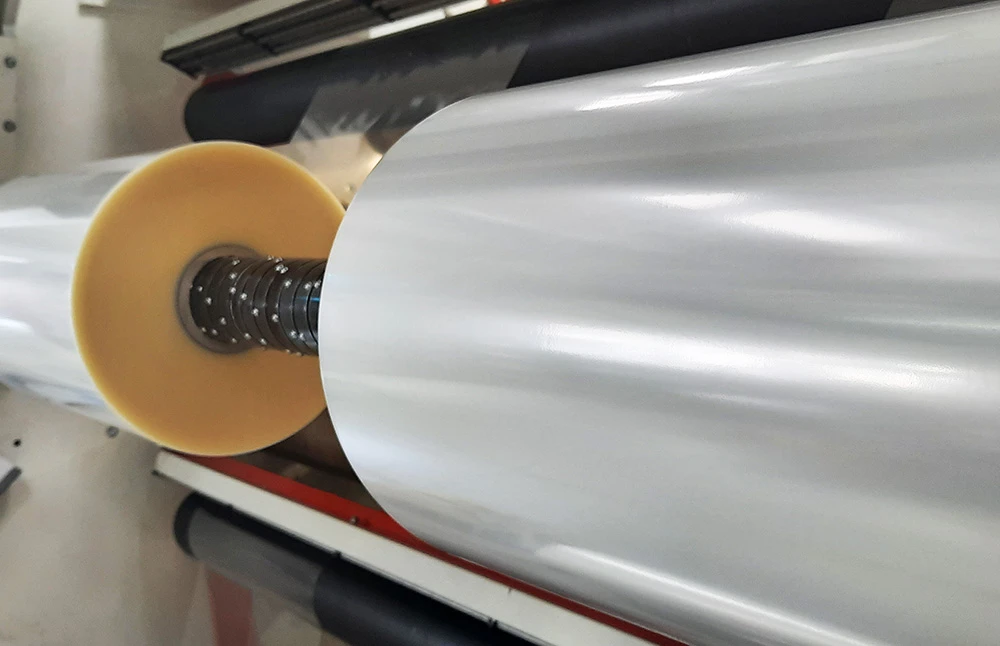
McKinsey Study on the Climate Impact of Plastics
May 5, 2026
Study “Climate Impact of Plastics” on the Climate Effects of Plastics In a study titled “Climate Impact of Plastics,” McKinsey has uncovered some very interesting findings regarding the climate impacts of plastics. Here’s a brief summary of the findings from the 30-page report: In 13 out of 14 cases, the plastics examined result in a lower overall contribution
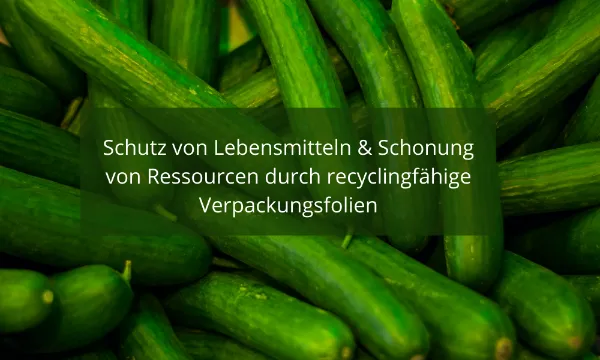
Improving the Carbon Footprint Through Packaging Films
April 30, 2026
Protect products and food with recyclable packaging film while saving energy and resources. The proportion of spoiled food caused by suboptimal shipping packaging. The primary function of packaging film is to protect the packaged products from environmental factors, contamination, and damage. Comparisons and studies demonstrate just how important good packaging film is in this regard—especially in the food industry.
New Study: Plastic Often Has a Better Carbon Footprint Than Other Materials
April 30, 2026
A new study shows that plastics—including plastic packaging—often have a better carbon footprint than alternatives such as paper, glass, or metal. As reported on www.kunststoffverpackungen.de, the study found that plastic products generate fewer CO₂ emissions in 15 out of 16 scenarios examined, in some cases up to 90% less than other materials. Plastic products, over their entire product lifecycle,
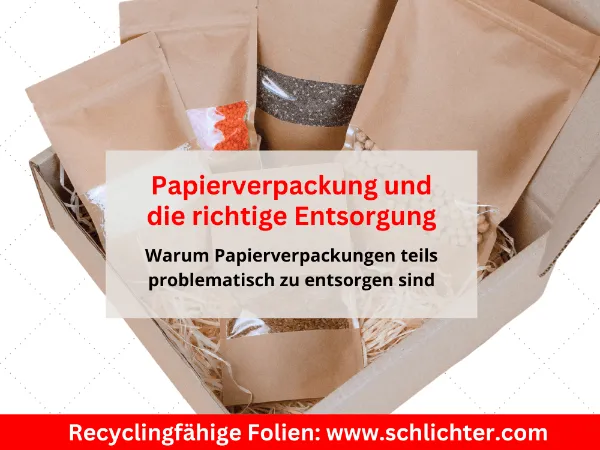
Why paper packaging can sometimes be difficult to dispose of and why plastic wrap is a better option
April 30, 2026
End customers often want to do more to protect the environment and, acting in good faith, look for paper packaging. Here, we’d like to address why this is often problematic when it comes to disposal. Paper packaging in the fresh food section harms the environment. A provocative but accurate assertion. As reported on freshplaza.de, Shay Zeltzer, a postharvest specialist and founder of Postharvest,
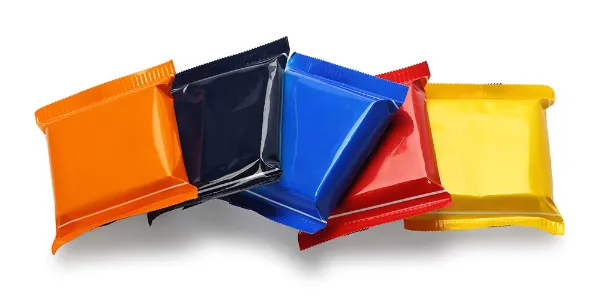
Film packaging is the most environmentally friendly option for chocolate
April 30, 2026
According to Statista, Germans consumed 9.2 kilograms of chocolate per capita in 2019. That’s a very substantial amount. In an EU comparison, this puts Germans in second place. The Nature and Biodiversity Conservation Union (NABU) was interested in determining which type of packaging is the most environmentally friendly for this treat, and commissioned the Institute for Energy and Environmental Research (ifeu) in Heidelberg
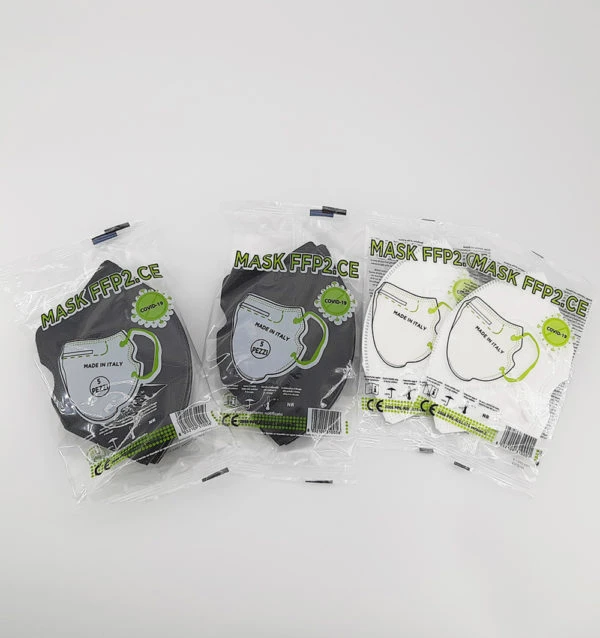
Printed and unprinted flow packs
April 30, 2026
Flowpacks are a popular form of packaging because the highly transparent, glossy—and therefore highly sales-promoting—film material makes the product “shine” even more. This protective packaging is suitable for both single-item and multi-item packaging. Our BOPP-films s for flowpacks are available in various designs, both printed and unprinted. films , made of polypropylene, are mechanically strong and feature
Flowpack Packaging: A High-Quality Packaging Solution for Maximum Freshness
April 30, 2026
Flowpacks are tubular pouches in which products are fed into the pouch while lying flat, that is, horizontally. Depending on the design of the packaging machine, the package is formed and sealed from one or two film webs. Flowpack packaging is a popular form of machine packaging and can be used for a wide range of purposes—from food to cosmetics and pharmaceutical products to
contact
Would you like more information about our machines and films? Please contact us.
Contact us
We'll get back to you and quickly find a suitable solution!