
Food-safe packaging films
When safety meets sustainability

PPWR-compliant films
The new EU Packaging Regulation has been in effect since August 12, 2026. Are your films compliant?
Food-safe films Where safety meets sustainability
Anyone who packages food needs films that work smart. They must preserve freshness, prevent contamination, and comply with all legal requirements.
Schlichter delivers exactly that: certifiedfilms baked goods, meat, dairy products, and convenience foods. Tailored for producers who don’t want to have to choose between hygiene and sustainability.
Food-safe packaging – What does that actually mean?
Innovative recyclable packaging film
For every application
Sealing films for various foods
One film for everything? Not a chance. Every product needs its own solution.
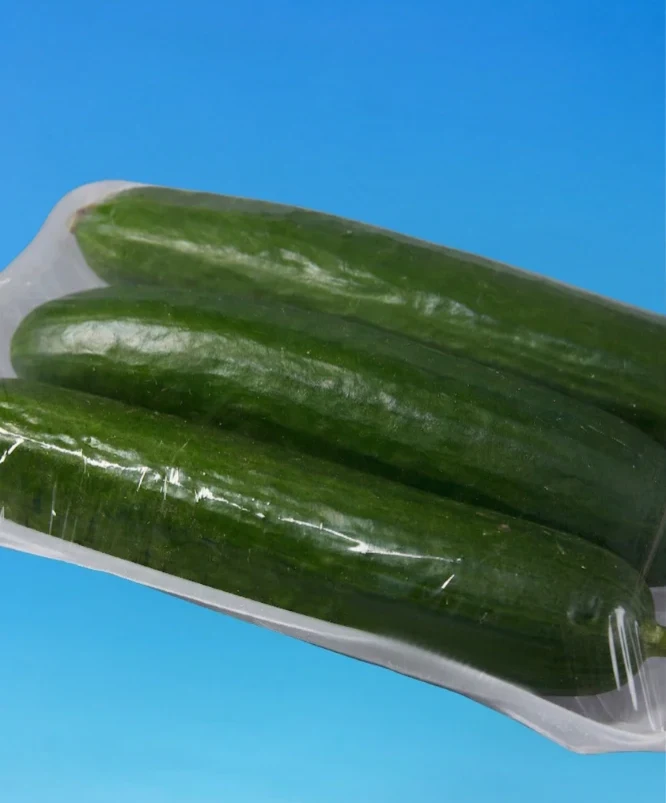
Skin films for meat, fish, and cheese
Skin films wrap around the product like a second skin. The result:
Maximum protection against oxygen and moisture
No leaking fluids
Longer shelf life without compromising quality
Freshness remains visible – important for the sales counter
With meat, the tight seal prevents discoloration. With cheese, it controls the ripening process. With fish, it keeps odors in check.
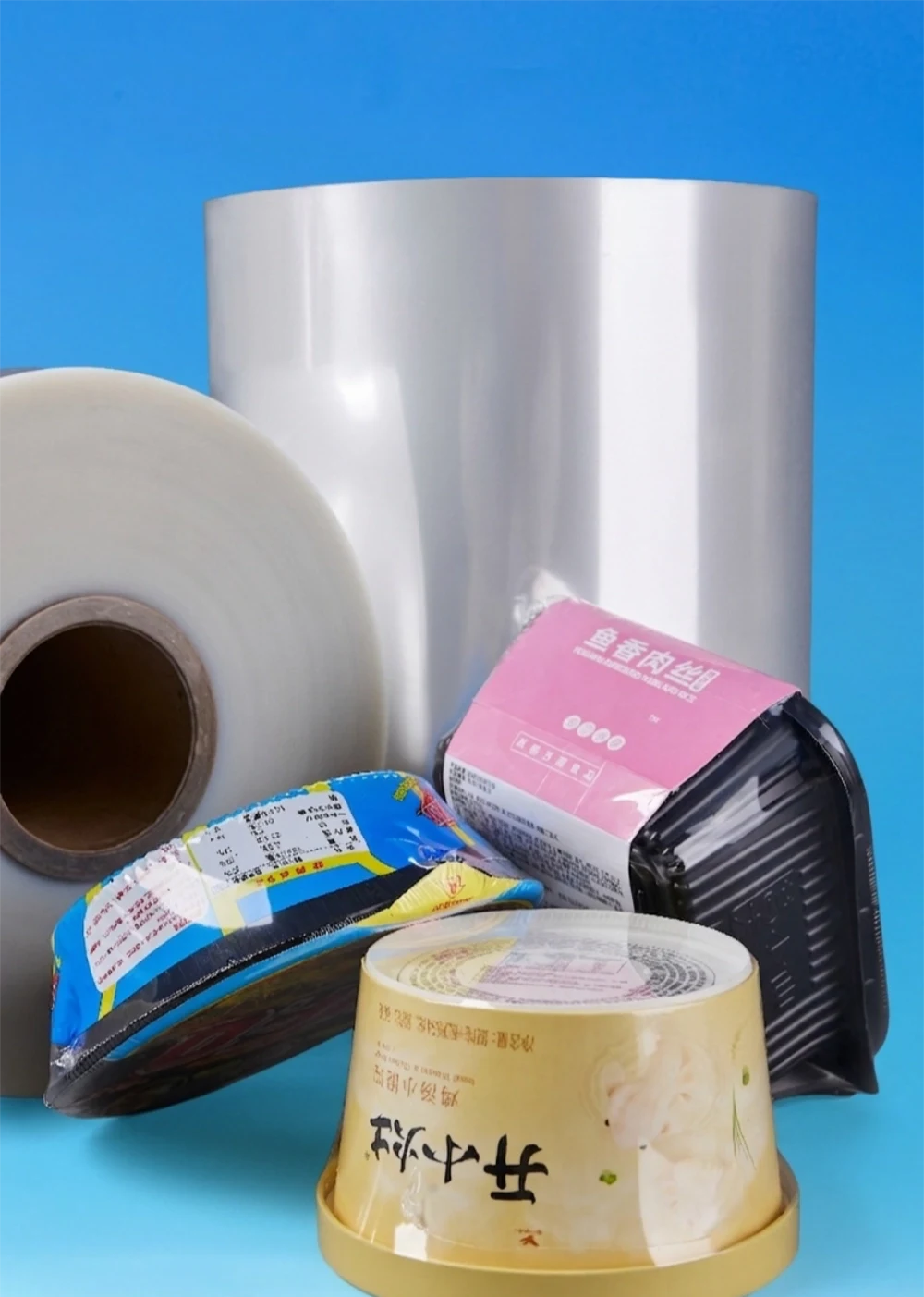
Sealed-edge bags & vacuum bags
Sealed-edge bags protect dry products such as snacks or baked goods from moisture and loss of flavor.
Vacuum bags take it a step further: they remove the air from the contents and significantly extend the shelf life. It’s important to note that the film must be strong enough to withstand the vacuum pressure.
Both types are suitable for automated packaging lines—a must for high production volumes.
Which plastics are suitable for food packaging?
Not every type of plastic is suitable for the product. The key players:
PE & PP – The All-Rounders Among Sealing Films
Polyethylene (PE) and polypropylene (PP) are the most commonly used films the food industry. Why?
- Excellent barrier against moisture and oxygen
- Tasteless and preserves flavor
- Versatile applications: from shrink films to rigid structural films
- Temperature-stable and easy to process by machine
- Printable for customization
In short: They do what they're supposed to—reliably and without any fuss.
PET, APET & PVC – When transparency is key
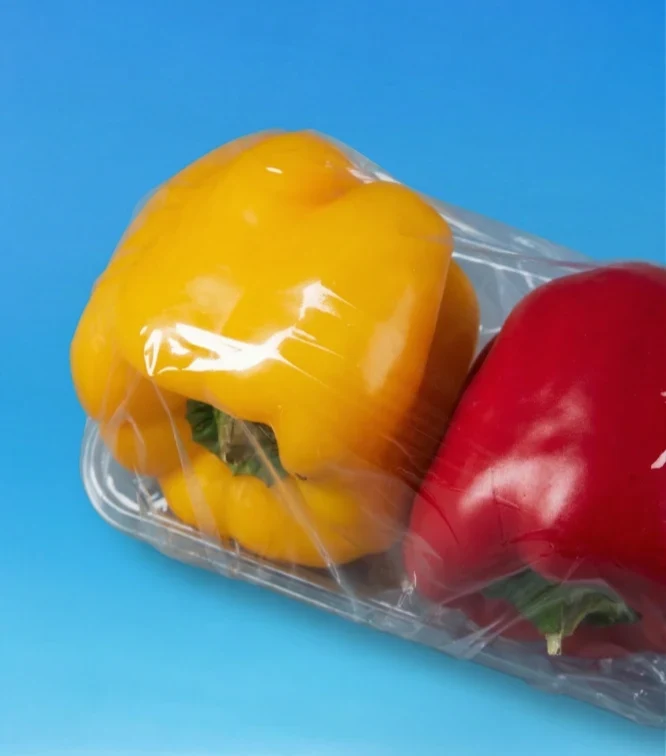
It’s all about visibility. PET and APET are ideal for bowls and trays, especially for MAP packaging (more on that in a moment).
- Crystal-clear transparency for perfect product presentation
- Mechanically stable, even during transport and storage
- LFGB and FDA certified
PVC comes into play when specific properties are required—such as greater rigidity or certain barrier functions.
Real-world application examples
Meat, Cold Cuts & Fish
Vacuum packaging or modified atmosphere packaging—both methods significantly extend shelf life.
Skin films prevent liquids from leaking out while showcasing the product's quality. For fish, gas-impermeable films are particularly films for trapping in odors and flavors.
The seal must withstand transport and storage—without damage and without any loss of quality.
Cheese, Snacks & Ready-to-Eat Foods
Sliced cheese requires high-barrier films that control flavor development and ripening.
Snacks are packaged in resealable bags that keep moisture out and preserve crispness.
Convenience foods use microwave-safe films safe and convenient from the refrigerated section all the way through to preparation.
Free consultation
Our Brands
We carry these brands





Environment
Sustainable packaging solutions
Sustainability is no longer just a nice-to-have. It’s the norm—or at least it should be.
Contact usRecyclable films
Single-material films made of PE or PP can be recycled by material type. No hard-to-separate composites, no material mix-up.
The advantage: mechanical recycling with high recovery rates. And development continues—functional coatings instead of multilayer composites make this possible.
This not only meets legal requirements; it also improves the carbon footprint without compromising on quality or protection.
Bio-based materials
Bio-based polyolefins offer the same technical properties as petroleum-based variants—but with a lower carbon footprint.
- The same certifications (BSCI, FDA, etc.)
- No compromises on hygiene or barrier function
- Increasing availability at decreasing costs
An important step away from fossil fuels.
FAQ
Frequently Asked Questions About Pharmaceutical Films
PE, PP, PET, APET, and certain types of PVC—all FDA-certified. They undergo standardized migration tests and do not release any harmful substances.
The most common ones are: polyethylene (PE), polypropylene (PP), polyethylene terephthalate (PET), amorphous PET (APET), and polyvinyl chloride (PVC). The choice depends on the specific requirements of the packaging.
Packaging that allows direct contact with food without compromising quality. It protects against contamination, preserves freshness, and extends shelf life—all certified.
It does not release any harmful substances. Period. This is verified through migration tests and compared with legal limits. Documented by declarations of conformity.
It depends on the product and packaging technology. Vacuum bags extend the shelf life of meat by three to five times. Modified atmosphere packaging (MAP) offers similar benefits for fish and cheese. Sealed-edge bags for snacks: freshness for several months.
Yes. Schlichter develops custom solutions—from consulting and production to finishing. If you have any questions, just let us know.
contact
Would you like more information about our machines and films? Please contact us.
Contact us
We'll get back to you and quickly find a suitable solution!
PPWR-compliant packaging
Does your packaging solution comply with the current EU Packaging and Packaging Waste Regulation?