
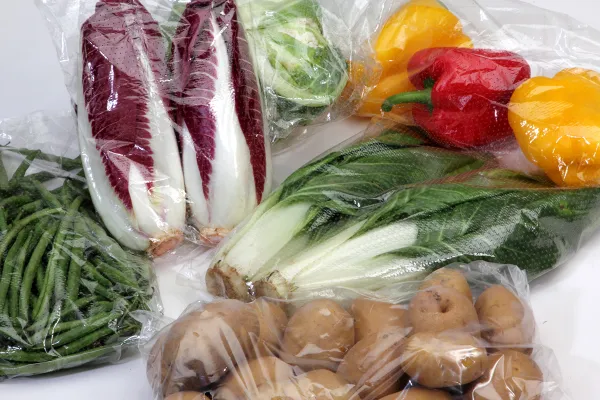
Advantages of packaging food with plastic wrap compared to other materials such as paper, cardboard, or composite packaging
Food packaging plays a crucial role in preserving quality and reducing food waste. Among the wide variety of packaging materials,packaging filmstands outfor its numerous advantages, which set it apart from other materials, such as paper or cardboard. These advantages make packaging film a preferred choice for many food producers and consumers.
High recyclability in the recycling cycle
One of the most notable advantages of packaging film is its high recyclability when disposed of properly. Packaging films are usually made of plastics that can be effectively recycled. In the recycling cycle, these materials can be collected, processed, and turned into new products; see also our selection of PCR, PIR, and other eco-friendlyfilms. This helps conserve natural resources and supports the circular economy by reducing the need to produce new raw materials. Compared to many coated paper packaging materials, which are often not clearly recyclable or are difficult to recycle, packaging film offers a clear environmental advantage in this regard.
Optimal indoor climate thanks to perforation
Another advantage of packaging film is its ability to create a favorable internal environment through perforation. These small holes (micro- or macro-perforations) in the film allow for a controlled exchange of oxygen and moisture, which helps regulate the respiration of the packaged food. As a result, the contents stay fresh longer, and the ripening process can be positively influenced. Fruits and vegetables, for example, benefit significantly from this technique, as they retain their freshness and texture for a longer period of time during transport, at retail, and in the end customer’s home.
Protection from external factors
Packaging films protect food products—such as fruits and vegetables, as well as many other items—from external influences like dirt, moisture, and other environmental factors. This barrier function is crucial for protecting food from contamination and the effects of the weather. Unlike many other packaging materials, such as paper or cardboard, which quickly lose their structural integrity or become permeable when exposed to moisture, film preserves the integrity of the packaging and thus the quality of the contents. The aforementioned alternative packaging materials require coatings to make them impervious to moisture and grease, which complicate the recycling process.
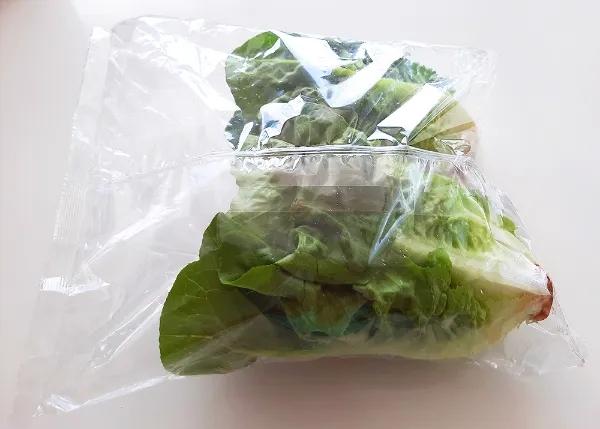
Easy disposal and reduced environmental impact
Disposing of plastic wrap is often easier than disposing of paper packaging, which frequently requires a coating to make it moisture-resistant. Such coatings can limit the recyclability of paper packaging, as they are not always easy to separate from the paper fibers.
The same applies to so-called composite packaging—that is, packaging that consists partly of coated paper and a transparent film serving as a window. This type of packaging is extremely difficult to dispose of efficiently, a fact that end customers are often unaware of. films , on the other hand, can generally be recycled directly without the need for time-consuming separation. This reduces the environmental impact and simplifies the disposal process.
Flexibility and Cost-Effectiveness
Packaging films offer tremendous flexibility in terms of the shape of the packaged product. They can be easily adapted to different product shapes and sizes, which enables efficient and appealing product presentation and also saves material, since today’s innovative packaging films are becoming thinner whenever possible, so that material usage is kept to a minimum despite their extreme tear resistance. In addition, plastic films are often more cost-effective to manufacture than alternative packaging materials, making them an economically attractive option for companies.
In summary, it can be said that wrapping food in plastic film offers numerous advantages. From improved shelf life and freshness to effective protection against external factors, as well as supporting sustainable waste management through high recyclability, it represents a compelling solution in food packaging.
We offer a wide range of innovative and optimized packaging films for food packaging. Whether you need innovativepolyolefin film (fine shrink film)orBOPP film (flowpack),we offer the right packaging film for your needs—sustainable, innovative, and cost-effective.
Would you like more information? Write to us or give us a call.